Palm Bay Landscape Lighting helps homeowners in Palm Bay, Melbourne, and nearby Brevard County neighborhoods with low-voltage landscape lighting installation, lighting repair, LED conversions, and system maintenance. Homeowners usually reach out when they want a dark yard lit for the first time, when an older system has gone dim or dark in sections, or when Florida weather and irrigation have worn out fixtures and connections. Call for a practical next step — new installations are scoped with a short on-site design visit, and most repairs can be talked through directly by phone.
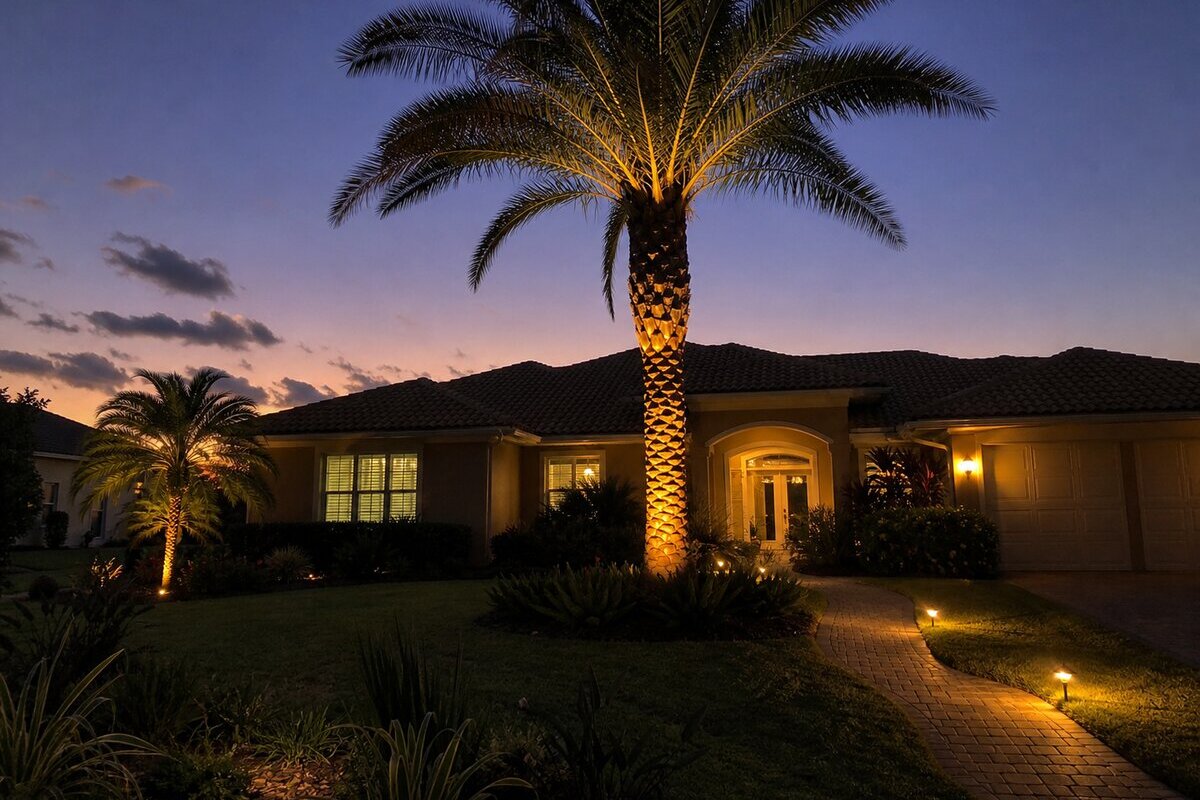
Serving Palm Bay, West Melbourne, Melbourne, Malabar, and Grant-Valkaria.
Tell us what you're seeing in plain language. A short description is enough to get started.
Every service below is low-voltage lighting work — the 12-volt systems that run path lights, uplights, and accent lighting from a transformer. Each service has its own page with signs, causes, and cost factors.
New low-voltage systems designed around your yard: path lighting, palm and oak uplighting, wall grazing, and entry lighting. Fixture count, placement, and transformer sizing are worked out during an on-site design visit before any pricing is set.
Installation details →Dark zones, flickering fixtures, cut wires, corroded connections, and transformers that trip after storms. Many repairs can be scoped over the phone once you describe what stopped working and when.
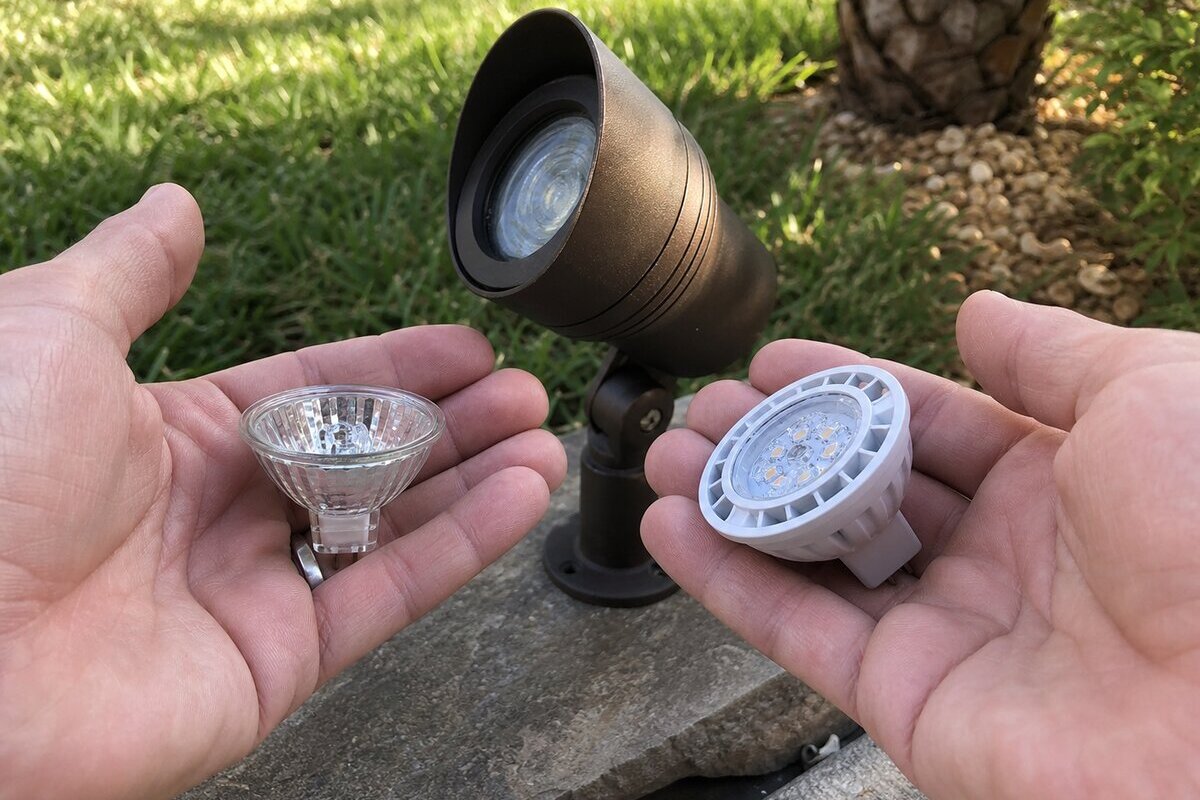
Repair details →Older halogen systems converted to LED lamps and fixtures. LED conversion cuts power draw, reduces bulb changes, and often frees up transformer capacity to add fixtures to an existing system.
Conversion details →Fixtures re-aimed after landscaping changes, lenses cleaned, connections checked, buried path lights raised out of the turf, and timers or photocells reset so the system runs the way it was designed to.
Maintenance details →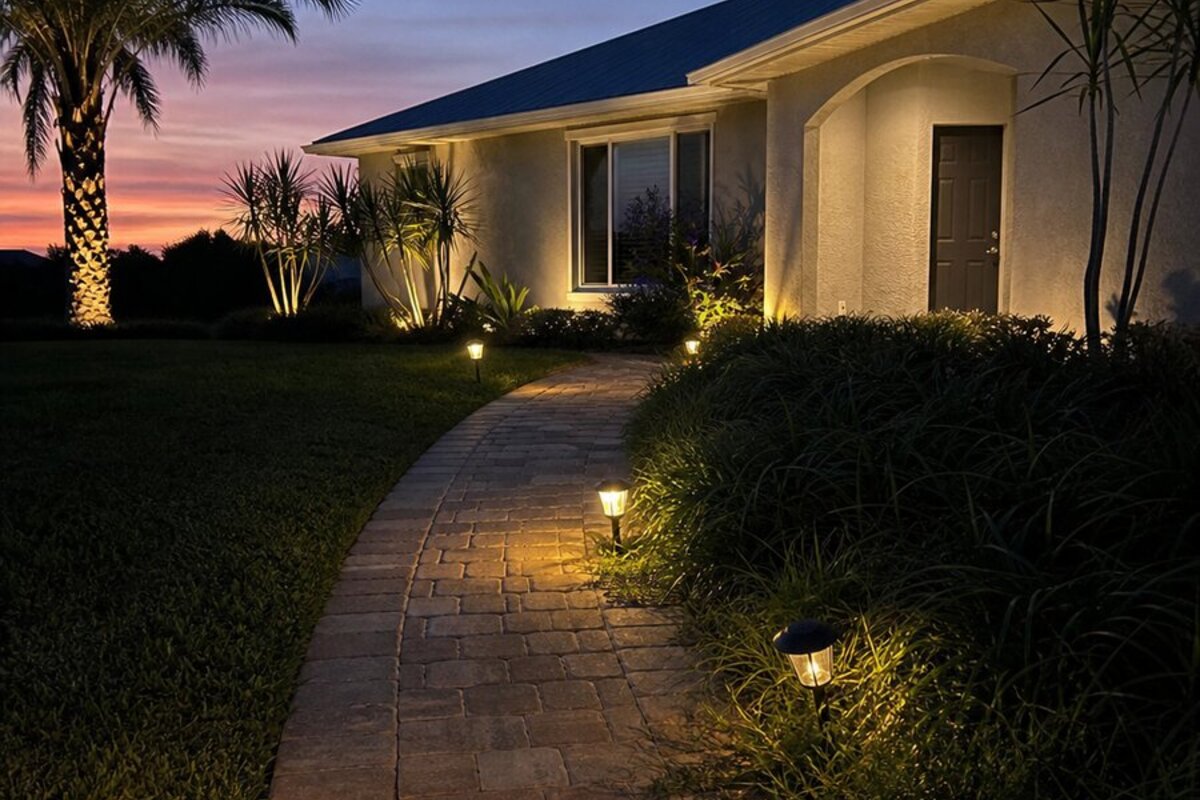
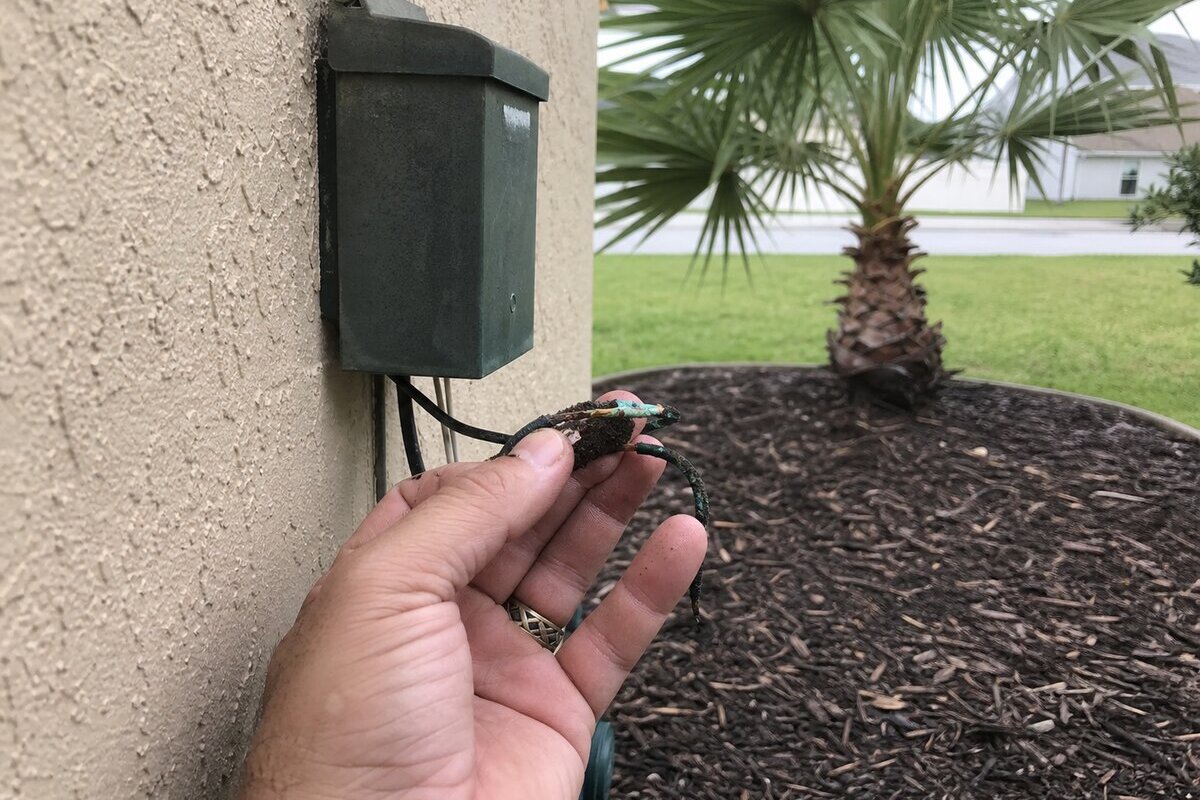
Landscape lighting in Palm Bay works harder than the same system would in most of the country, and it usually fails in predictable ways.
This is why fixture material, connection sealing, and transformer placement matter as much as the lighting design itself — and why a system that was installed cheaply often needs repair within a few years.
Lighting projects range widely because yards range widely. These are the factors that move the number the most.
New installations are scoped after a short on-site design visit, because fixture placement and transformer sizing can't be guessed from the street. Repairs are different — describe what stopped working and when, and most repair visits can be scoped and ballparked by phone.
Call or send the callback form. "The backyard is pitch dark and we just put in a pool deck" or "three lights near the mailbox quit" is plenty to start with.
Repairs are usually talked through by phone first. New installations and redesigns get a short on-site visit to walk the property, count fixtures, and plan the transformer and wire runs.
You get pricing based on the actual scope — fixtures, wire, transformer, and labor — before any work is scheduled.
These examples show the kinds of installation, repair, LED conversion, and maintenance details homeowners usually ask about before scheduling landscape lighting work.
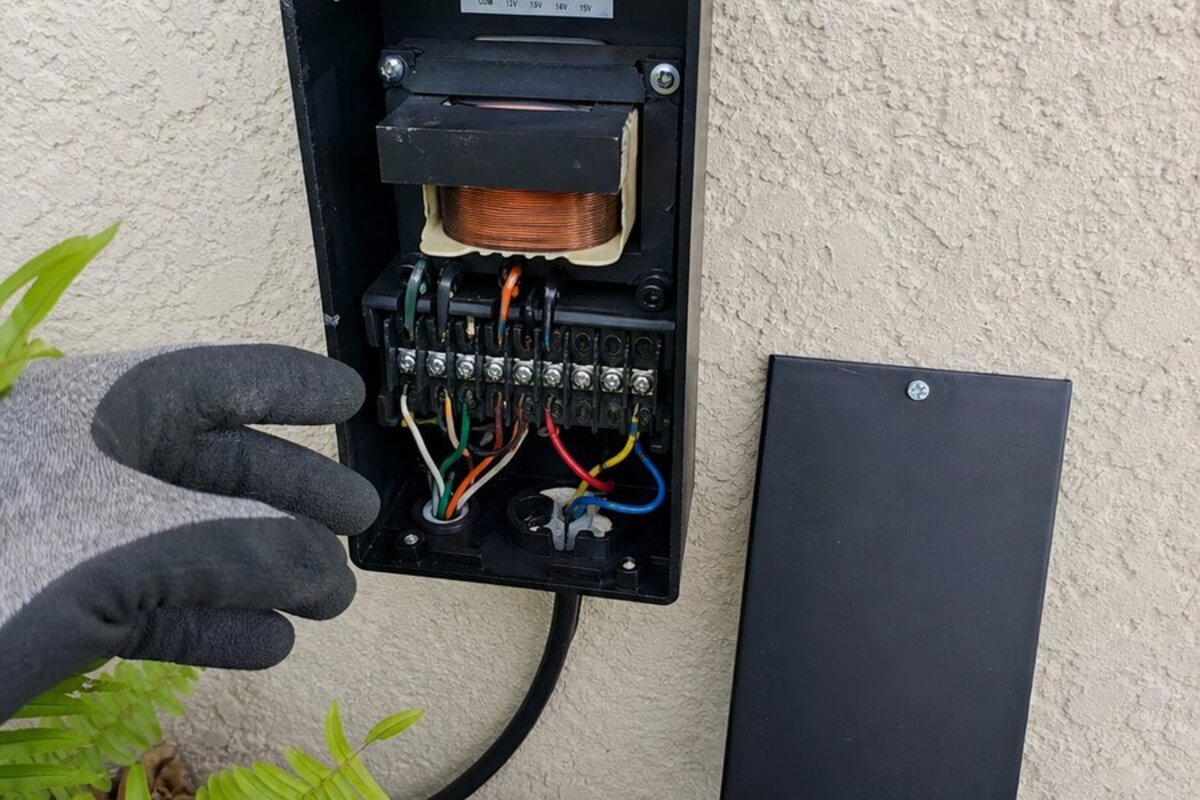
Yes. Most repair calls are for systems installed years ago by another company or by a previous homeowner. Common fixes include corroded connections, cut wire runs, failed sockets, and undersized or water-damaged transformers. Describe what stopped working and roughly when, and the repair can usually be scoped by phone.
When multiple fixtures fail at once, they almost always share a wire run or a transformer tap. A single corroded splice, a nicked wire, or a tripped circuit on the transformer can drop an entire zone while the rest of the system keeps working. That pattern actually makes the repair easier to trace than a single random failure.
Yes. A lighting design depends on fixture placement, the trees and architecture being lit, wire run lengths, and transformer sizing — none of which can be priced accurately without walking the property. The visit is short, and you get next-step pricing based on the real scope instead of a guess that changes later.
Low-voltage systems run at 12 volts, stepped down from household power by an outdoor-rated transformer. That's why the wire can be buried shallow in planting beds and why the fixtures are safe to touch. The main long-term risks in Palm Bay are corrosion and water intrusion, not shock — which is why sealed connections and quality fixtures matter here.
Yes, and it's common. Many homeowners start with the front walkway and entry, then add backyard, pool area, or tree lighting later. The key is sizing the transformer and main wire runs for the full plan up front so later zones connect cleanly instead of requiring a second system.
Whatever you've noticed, in plain language — which lights are out, when it started, and whether it happened after a storm or yard work. If it's a new installation, mention which areas of the yard you want lit and anything about access, like a fenced backyard or paver walkways. The follow-up conversation covers the rest.
Whether it's a brand-new lighting design or two dead fixtures by the front door, the first step is the same: call or send the callback form.